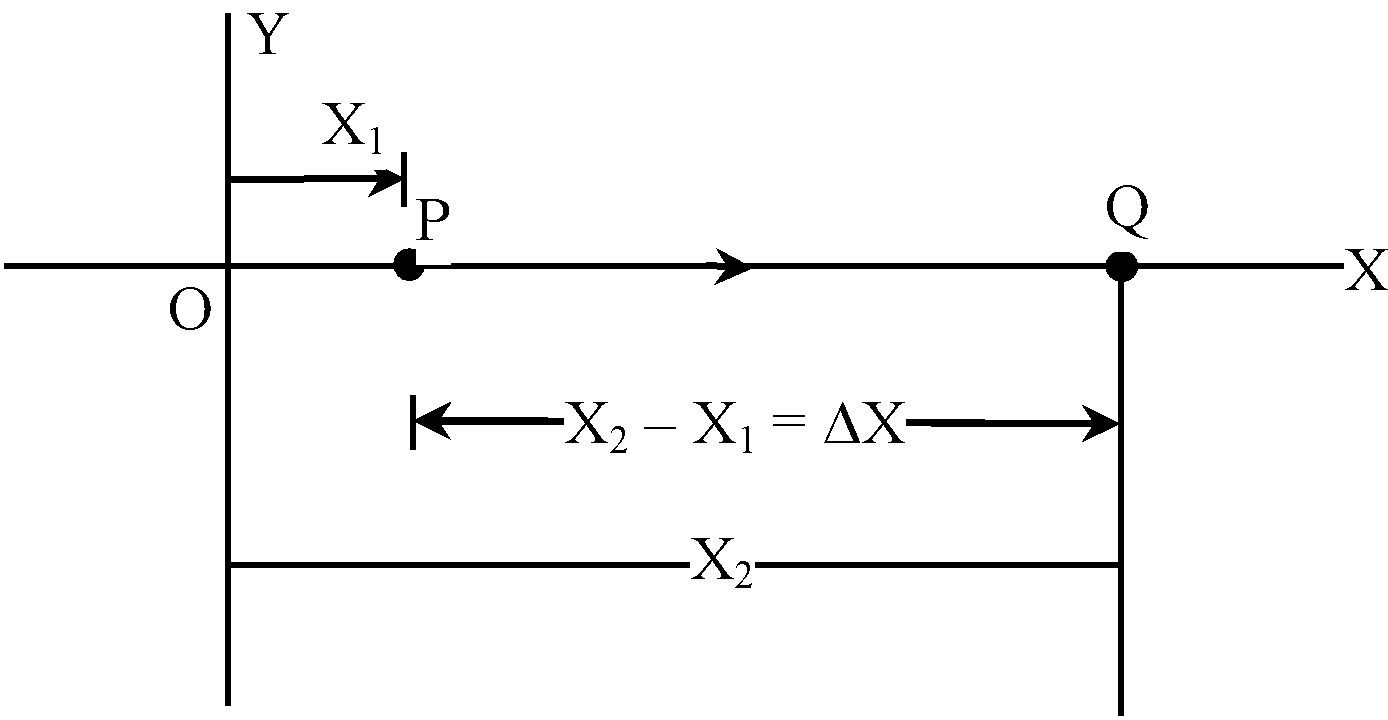
Consider a particle moving along x-axis as shown in figure. Its distance from the origin O is described by the coordinate x, which varies with time. At a time t 1 , the particle is at point P, where its coordinate is x 1 , and at time t 2 it is at point Q, where its coordinate is x 2 . The displacement during the time interval from t 1 to t 2 is the vector from P to Q: the x-component of this vector is (x 2 – x 1 ) and all other components are zero.
It is convenient to represent the quantity x 2 – x 1 , then change in x, by means of a notation using the Greek letter Δ (capital delta) to designate a change in any quantity. Thus we write Δ x = x 2 – x 1 in which Δ x is not a product but is to be interpreted as a single symbol representing the change in the quantity x. Similarly, we denote the time interval from t 1 to t 2 as Δ t = t 2 – t 1 .
The average velocity of the particle is defined as the ratio of the displacement Δ x to the time interval Δ t. We represent average velocity by the letter v with a bar 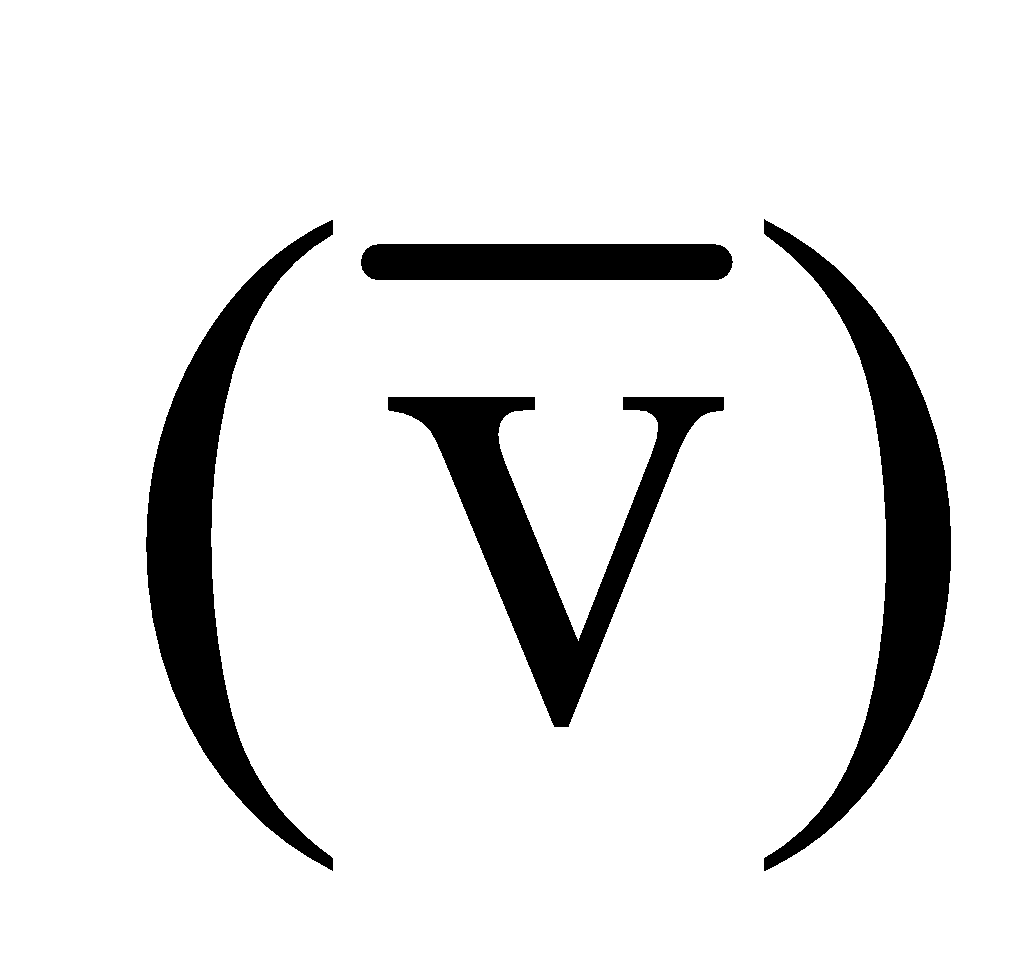 to signify average value. Thus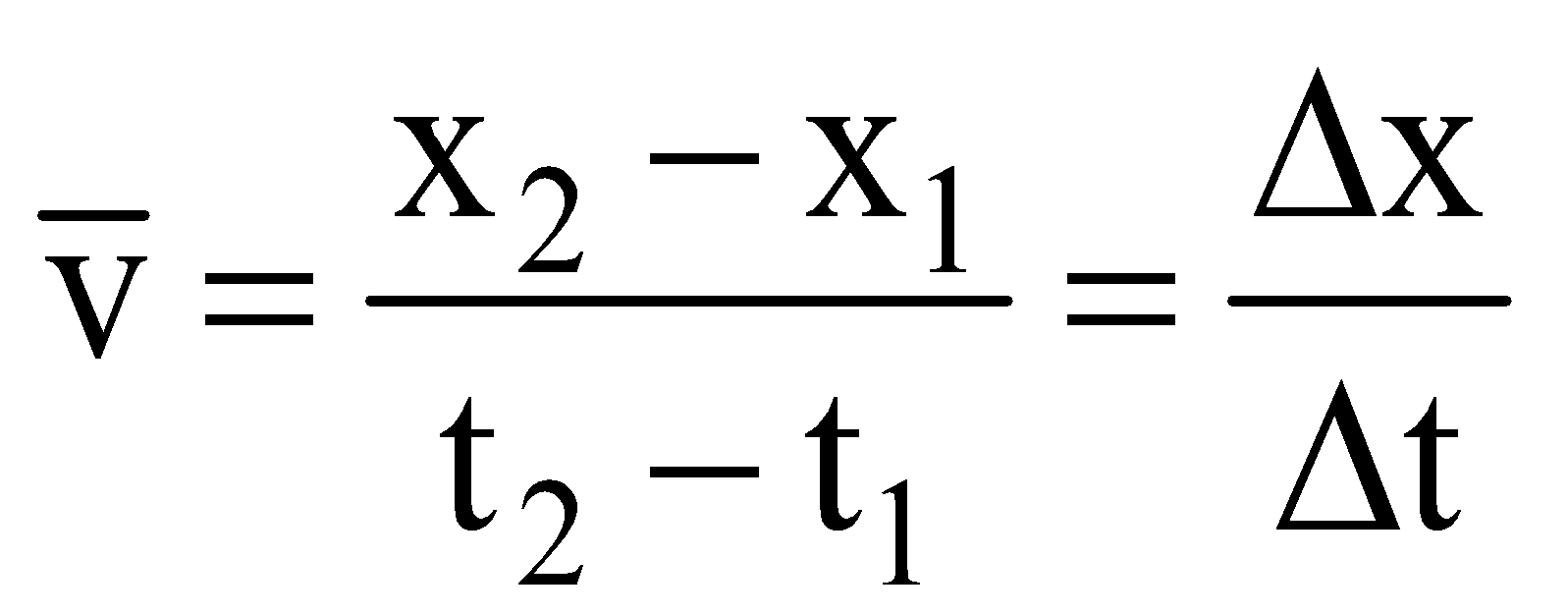
(i) A particle moves half the time of its journey with u. The rest of half time it moves with two velocities V 1 and V 2 such that half the distance it covers with V 1 and the other half with V 2 . Find the net average velocity.
Assume straight line motion.
Text Solution
Verified by Experts(i) Sol; (i) B ; (ii) C ; (ii) Sol; (iii) Sol
Ans.
(i)
Sol.

t AB = t BD = t 0
A → B (journey from A to B)
AB = ut AB = ut 0 …(i)
B → C
BC = 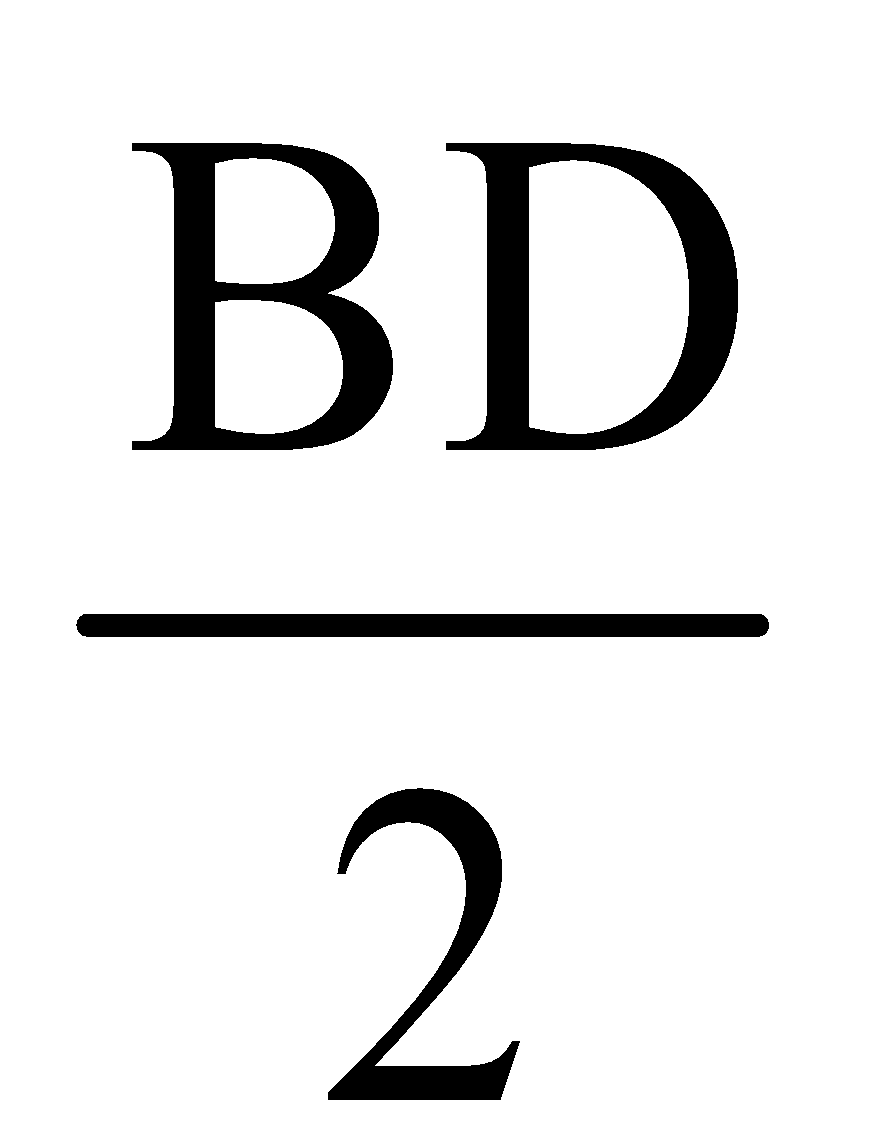 = v 1 t 1
t 1 = 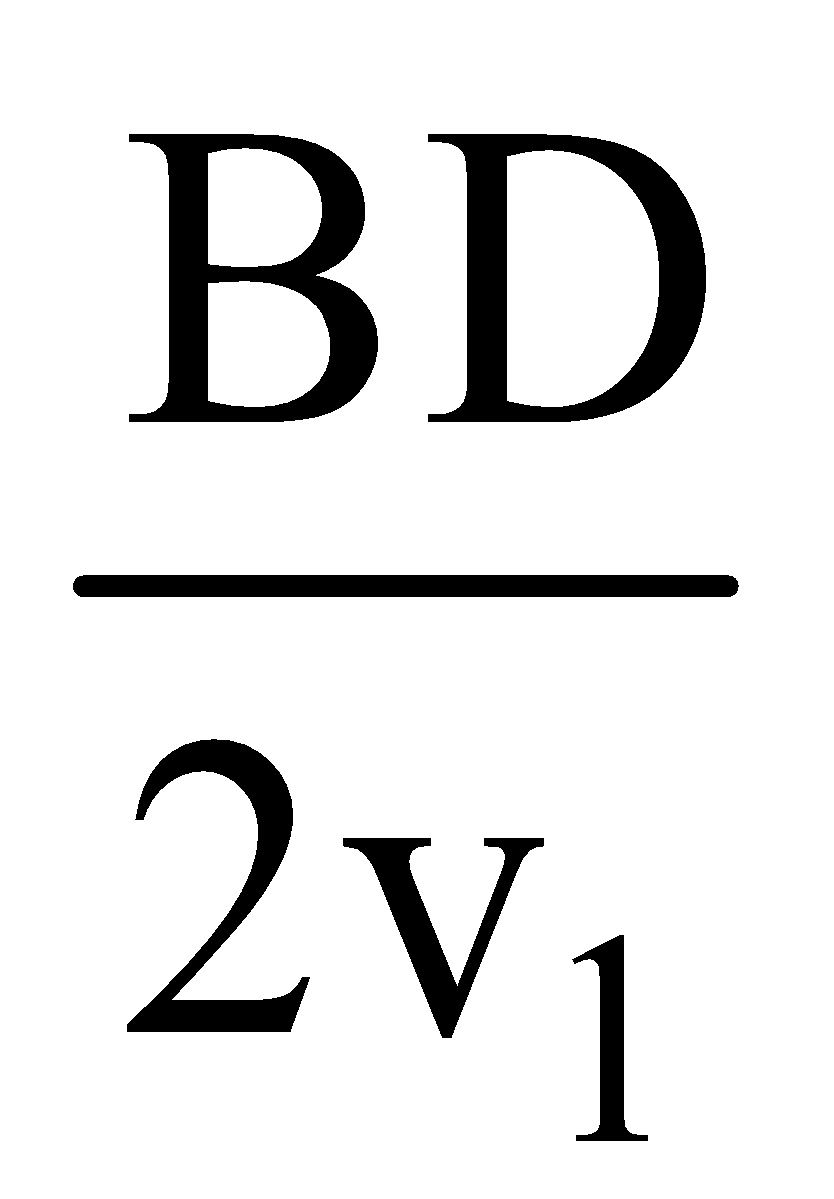 …(ii)
…(ii)
C → D
t 2 = 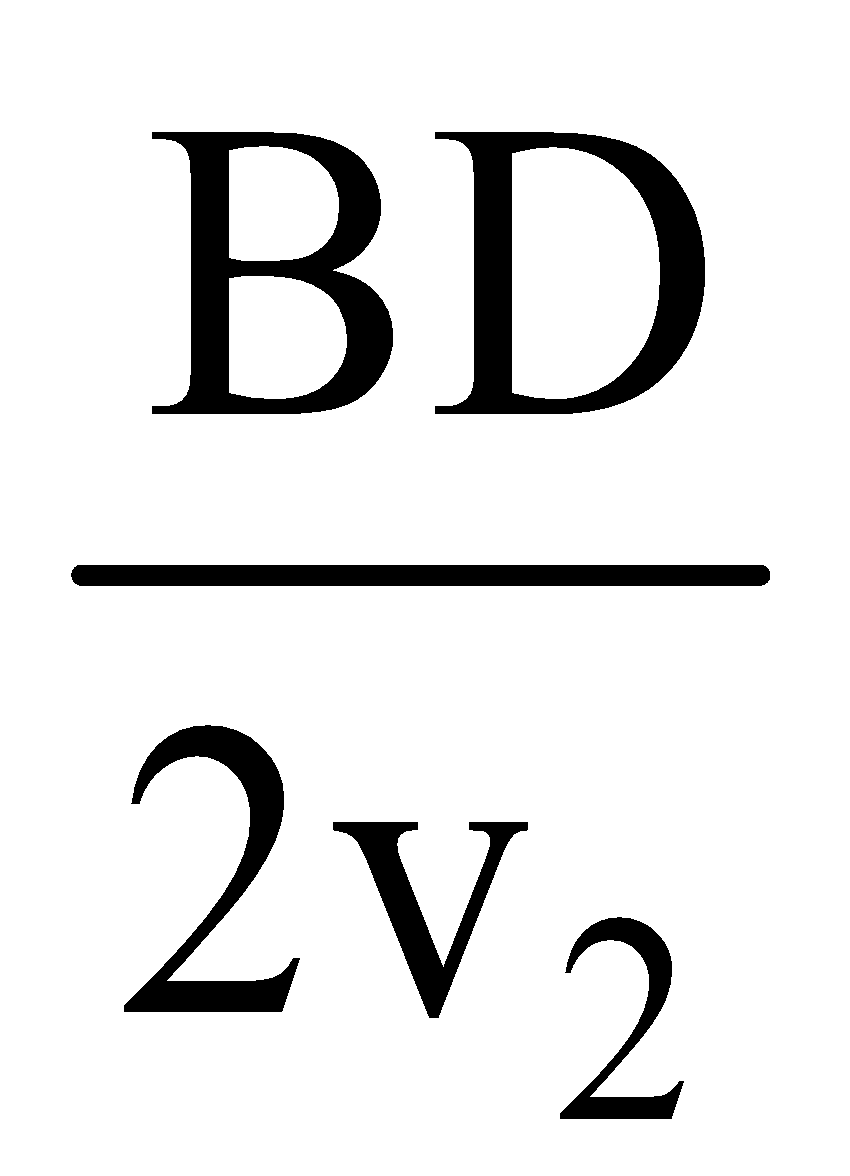
t 1 + t 2 = 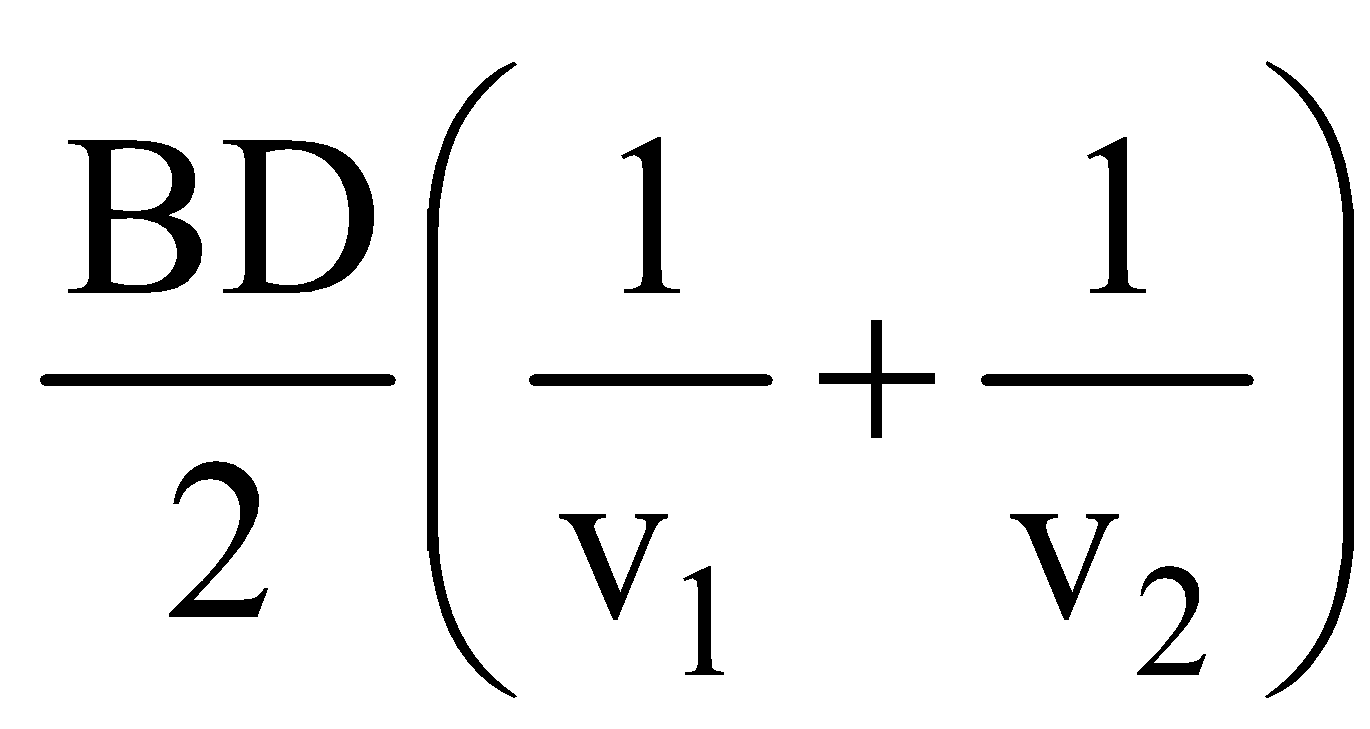 = t 0
= t 0
BD = 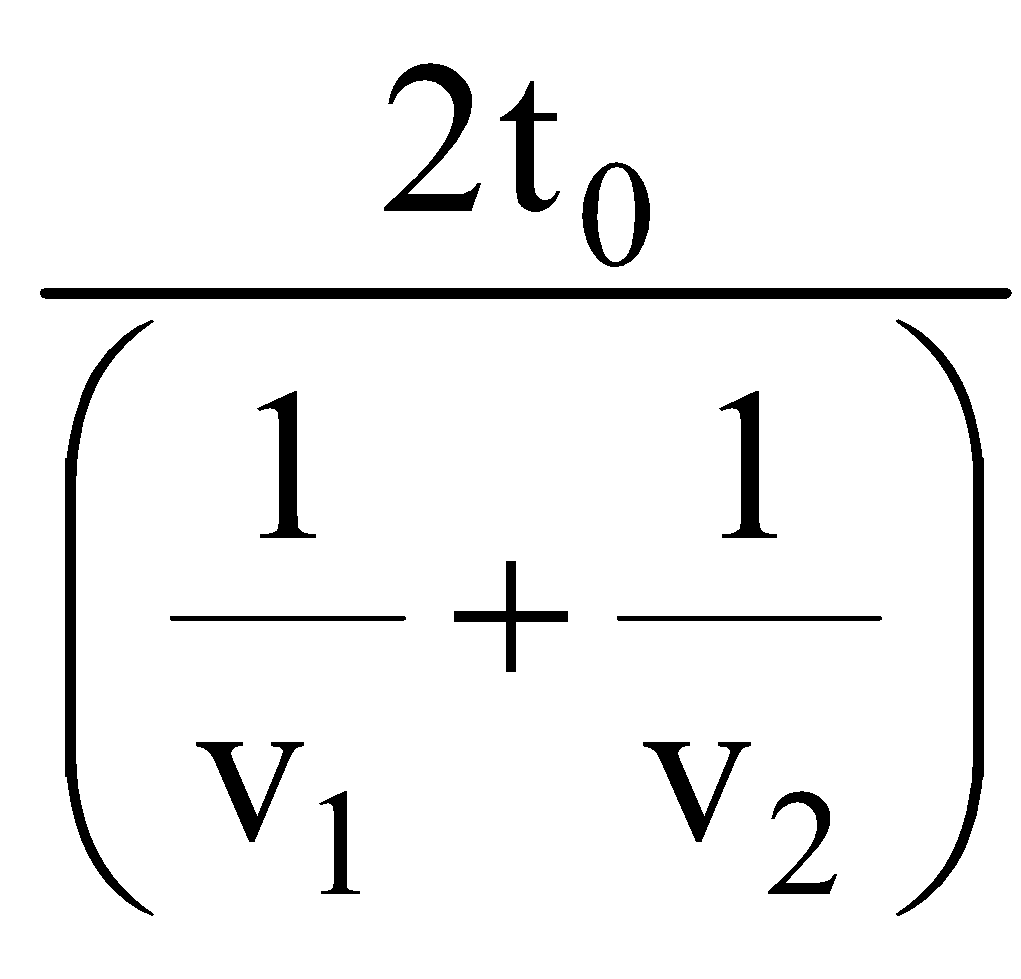
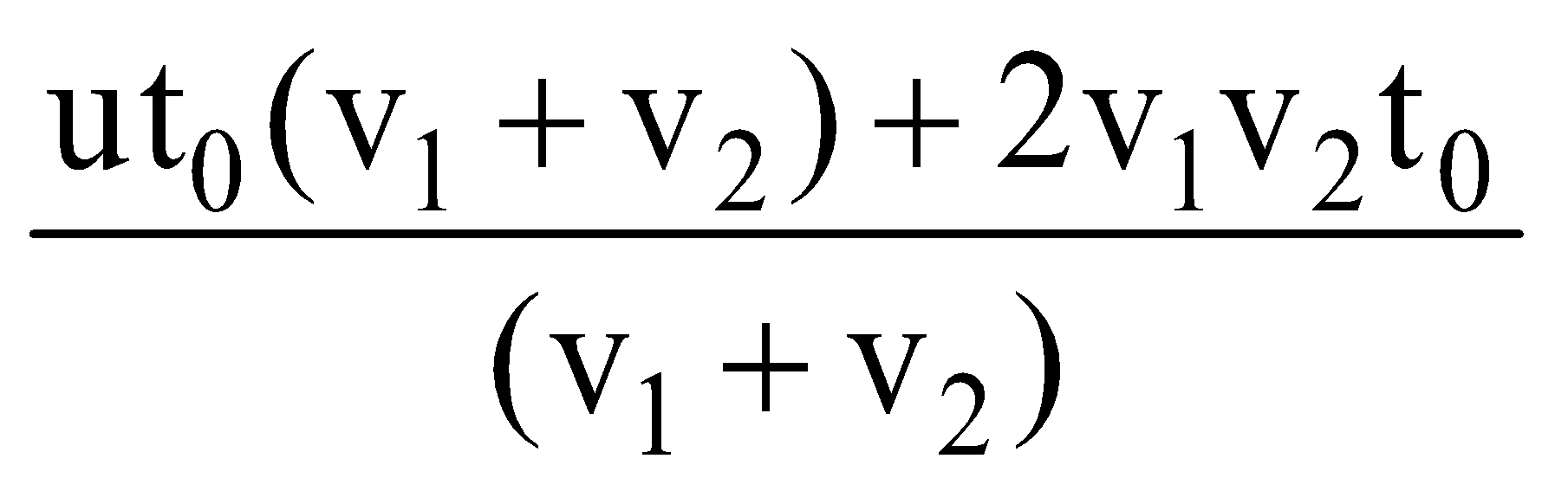
AB + BD = ut 0 + 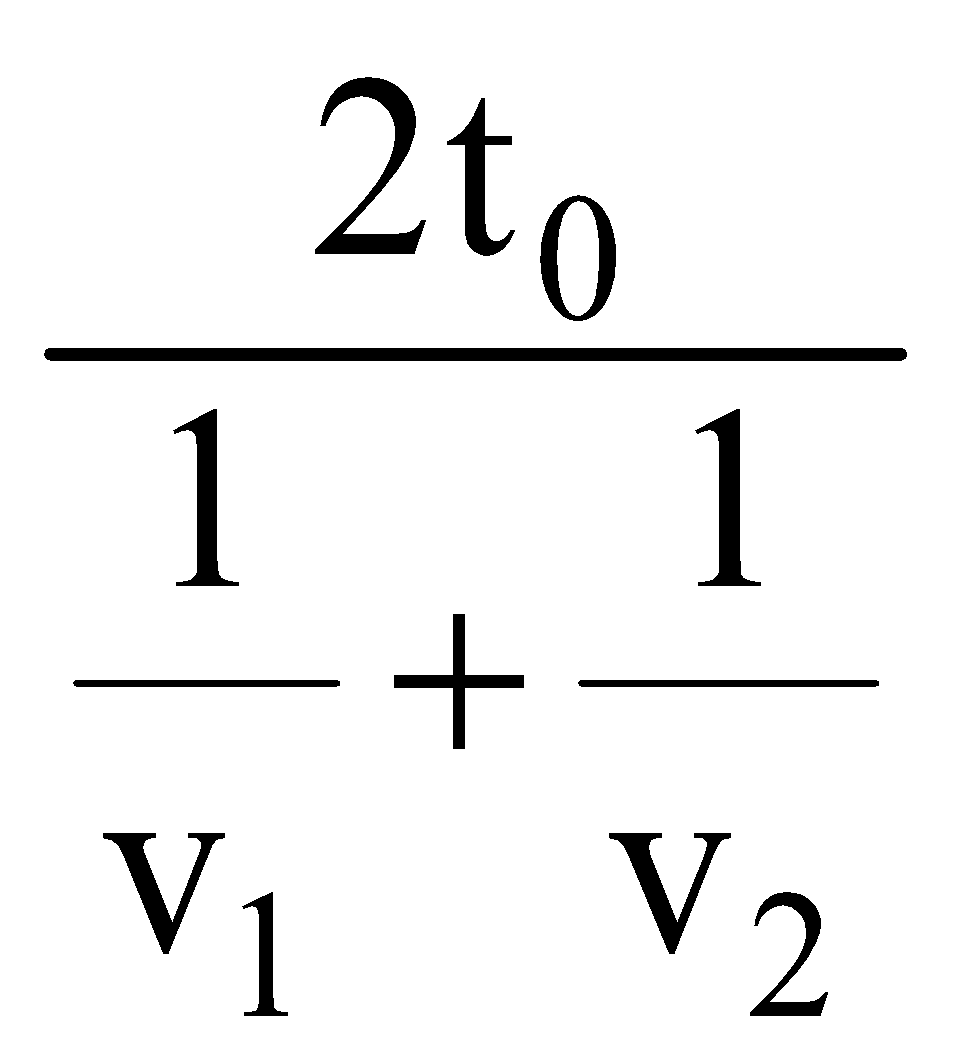
= 
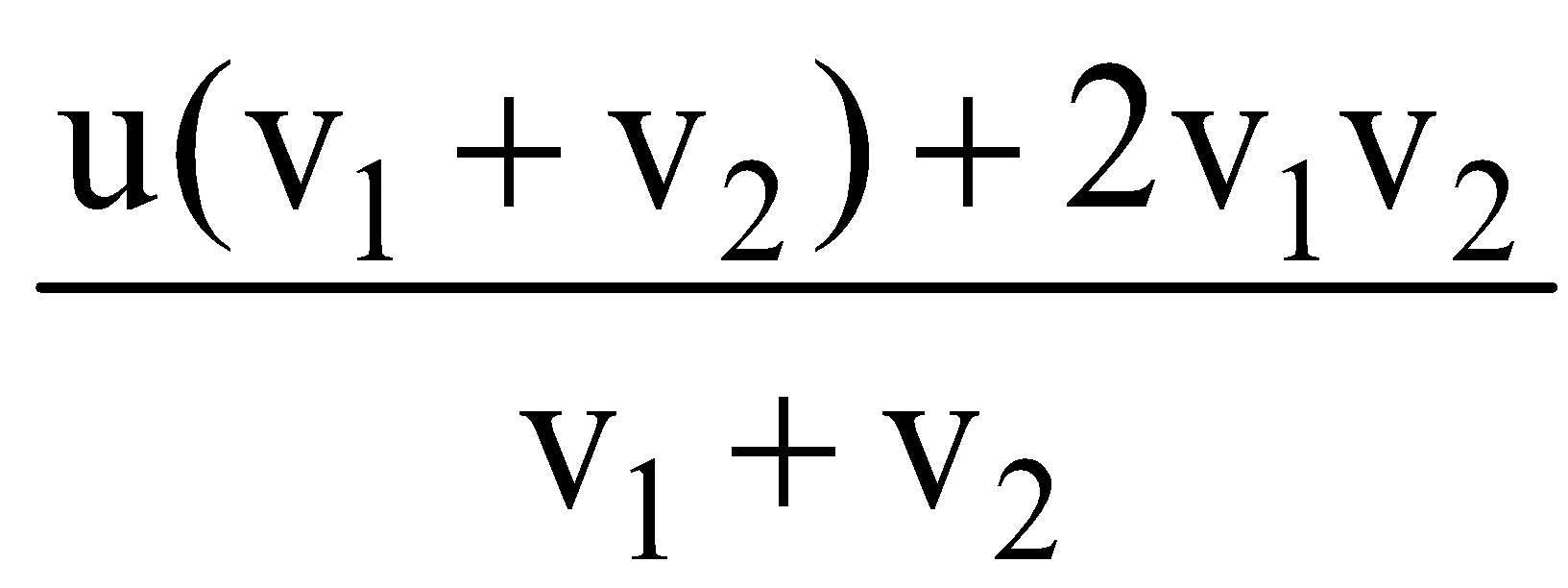
Avg. velocity = 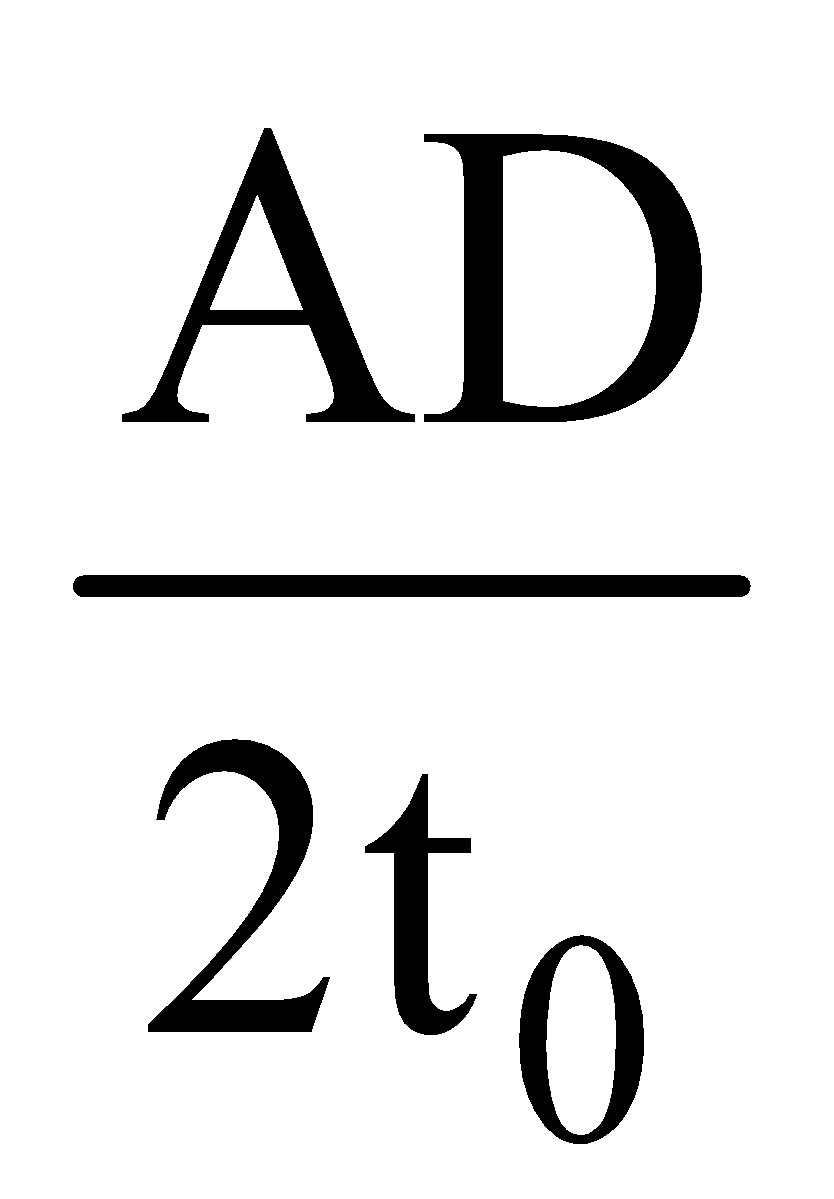 =
= 
(ii)
Sol. At t = 0, x 0 = 4m
At t = 5s, x 1 = 25 + 15 + 4 = 44 m
Avg. velocity = 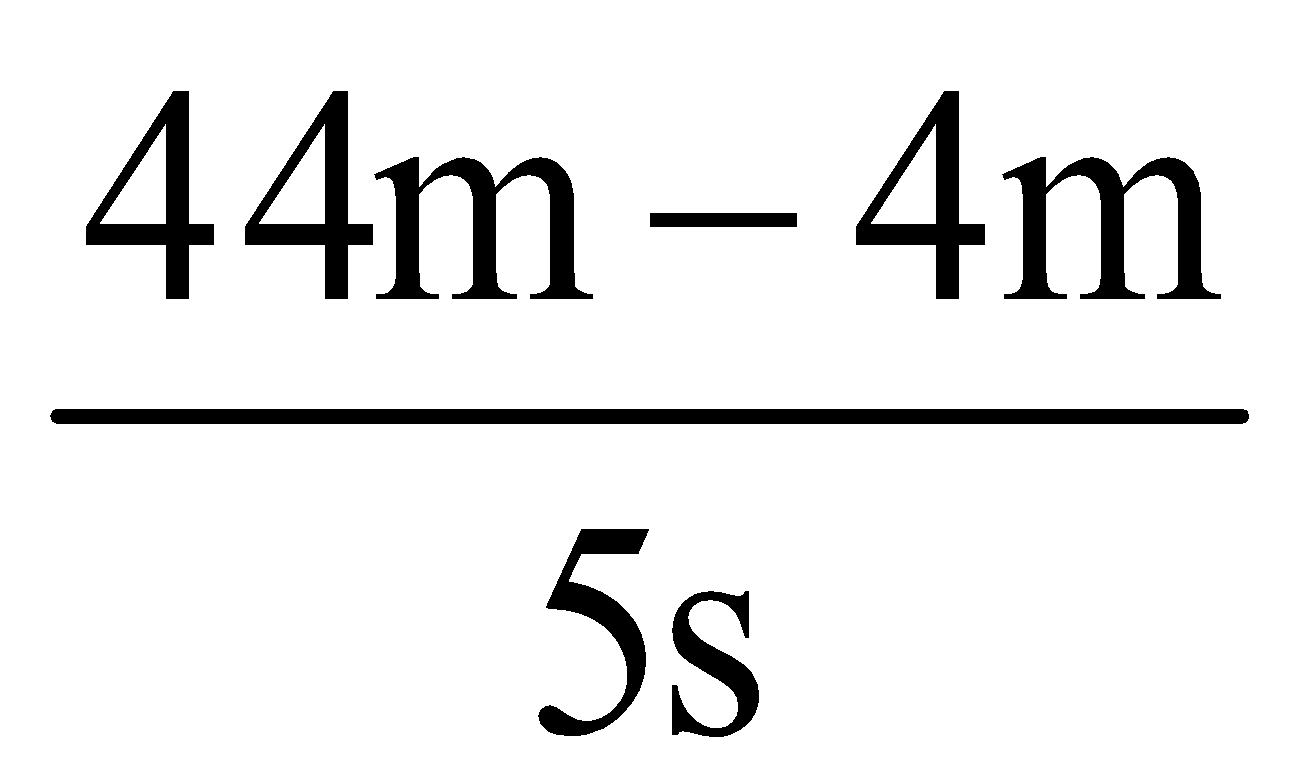 = 8m/s
(iii)
Sol. None of these
Prepare Smarter with CGP Edu
Get practice questions, solutions, and test series in one place.
Write a Review
Share your experience with this question and solution.
Commentary
Send your comment, doubt, correction, or feedback to admin.
Similar Questions
Explore conceptually related problems